
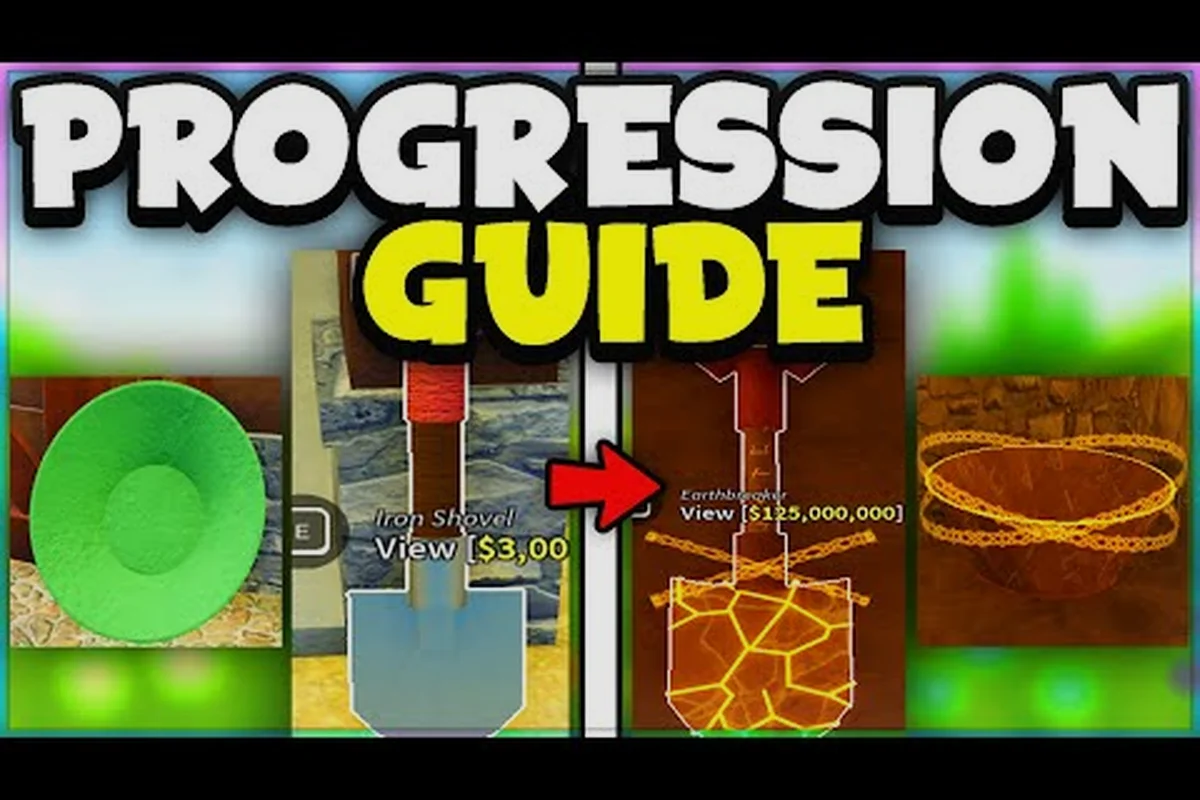
Choosing the right pan in Prospecting on Roblox shapes how fast your wallet fills, how many minerals you pull per session, and how often you need to swap tools mid-river. This prospecting pans guide walks through every pan entry, the four core stats that govern their behavior, and the prices you can expect to pay so your progression never stalls. A well-timed upgrade turns shaky freebie swings into a stable, profitable washing loop, and that is exactly the value this breakdown delivers.
Understanding Pan Stats in Prospecting
Pans are the core filtering tool in Prospecting — you swing a shovel, scoop sediment from a riverbed, then wash it in your pan to reveal minerals. The pan you carry quietly decides how much value you pull from each scoop, which is why the Pan Progression Guide treats them as one of the most important progression items in the game. Four numerical stats sit behind every entry, and learning what each one does is the first step toward reading the rest of this guide.
What Each Stat Actually Controls
Luck governs the chance of finding larger and rarer minerals during a wash. A pan with high luck pulls more gold, gemstones, and fossils per session, while a low-luck pan keeps producing common stone. Because mineral value scales with rarity, luck is the stat most players chase when comparing pan prices to long-term earnings.
Capacity sets the maximum number of minerals you can find in a single use and the size of the pieces you can hold. Higher capacity lets you skip frequent emptying and produces bigger payloads at sell time, which is ideal for extended sessions at high-tier rivers.
Shake Strength controls how much sediment gets removed with each shake of the pan, and its value directly multiplies the dirt-clearing rate during a wash cycle. A pan rated at 80%+ shake strength can strip a full scoop in roughly 4–5 shakes, while a 50% pan needs 7–8 shakes to reach the same cleanliness threshold, meaning a high-strength wash cycle finishes about 40% sooner. That saved time per scoop adds up across a multi-hour river run, letting you process more sediment before fatigue or weight limits force a trip back to sell minerals. Pairing shake strength with shake speed is the standard community tradeoff for snappy gameplay without inflating per-minute earnings past the intended economy curve.
Shake Speed dictates how fast you can perform those shakes. A high shake speed means you can chain shakes back-to-back, which compounds with shake strength to shrink the time per mineral. Many community pans balance these two values to feel snappy without breaking the game economy.
Why Stats Beat Looks
A flashy pan skin does nothing for your hourly earnings. What matters is the stat block underneath, and the difference between a starter pan and a late-game pan is measured in tens of thousands of coins per hour. Players who read Pan and Shovel Stats Guide before buying tend to upgrade earlier and waste less coin on transitional gear.
Each row maps one of the four core pan stats — Luck, Capacity, Shake Strength, and Shake Speed — directly to a washing-cycle outcome, so a quick scan tells you exactly what trade-off you're accepting before you spend coin. For example, a high-Luck starter pan might out-earn a mid-Capacity one if gold and fossil drops dominate your local map, while miners chasing repeat sell trips gain more from Capacity-heavy rolls. Use the table to benchmark any pan from the prospecting all pans list against your route, then cross-check current Selling Minerals Guide on the marketplace so your upgrade actually pays for itself in hourly yield.
| Stat | What It Changes | High-Value Result | Low-Value Result |
|---|---|---|---|
| Luck | Rarity of minerals found | More gold, gems, fossils per wash | Mostly common stone |
| Capacity | Minerals per use and piece size | Bigger payloads, fewer trips to sell | Frequent emptying, small hauls |
| Shake Strength | Sediment removed per shake | Faster dirt clearing per cycle | Long, tedious washes |
| Shake Speed | Shakes per second | Quick wash rhythm, high throughput | Slow, tiring sessions |
Full Prospecting Pan List With Stats
The Prospecting pan list covers every craftable and shop-bought pan a player can carry. According to the official Prospecting Roblox page, pans and shovels share the same Shopkeeper vendors, so most progression happens by hopping between the same NPCs and saving up. The pan stats below are drawn from the community Pans reference and should be treated as approximate — patch updates can nudge values slightly.
Starter and Early-Game Pans
Starter prospecting pans sit in the 1–4 Luck range and cost between free and roughly 12,000 coins, so losing one to a rough shake rhythm or a missed gold nugget barely dents your wallet while you still learn the basic panning loop. This forgiving price floor is exactly why you should burn your first hour practicing shake strength and shake speed timing on the Rusty Pan's 5-slot capacity before you sink real coin into a Tin Pan (8 capacity, 2 shake speed) or a Copper Pan (10 capacity, 2 shake strength). Treat the early tier as paid training: the stat deltas from rusty → tin → copper → brass are small enough to recover from in a single shift, but the muscle memory you build carries directly into the mid-game tier where mistakes cost 50,000+ coins per pan.
| Pan Name | Luck | Capacity | Shake Strength | Shake Speed | Typical Price |
|---|---|---|---|---|---|
| Rusty Pan | 1 | 5 | 1 | 1 | Free (starter) |
| Tin Pan | 2 | 8 | 1 | 2 | 1,500 coins |
| Copper Pan | 3 | 10 | 2 | 2 | 5,000 coins |
| Brass Pan | 4 | 12 | 2 | 3 | 12,000 coins |
The Rusty Pan is the baseline every new account starts with, and its 1/1/1/1 stat block exists only to teach the loop. The Tin Pan is the first meaningful upgrade for most players, doubling capacity and slightly boosting shake speed for very little coin. The Copper Pan and Brass Pan round out the early tier, with brass serving as the entry point into multi-rarity finds.
Mid-Tier Pans
Mid-tier pans are where the economy starts to move. These are the tools most active players settle into for a week or two before pushing further, and they pair well with Beginner Guide for steady income.
| Pan Name | Luck | Capacity | Shake Strength | Shake Speed | Typical Price |
|---|---|---|---|---|---|
| Steel Pan | 5 | 15 | 3 | 3 | 25,000 coins |
| Silver Pan | 6 | 18 | 3 | 4 | 55,000 coins |
| Gold Pan | 7 | 20 | 4 | 4 | 110,000 coins |
| Platinum Pan | 8 | 22 | 4 | 5 | 220,000 coins |
The Steel Pan is widely considered the best value mid-tier pick because it triples your luck over the starter and triples capacity at a price most players can grind in an afternoon. The Silver Pan and Gold Pan push shake speed toward the comfortable range, and the Platinum Pan is the first entry that genuinely competes with late-game pans for river time. Prices in this tier scale roughly 2x per step, so plan your coin stack before committing.
Late-Game and Specialty Pans
These pans are what veteran players on the AylxO progression video call "endgame washers" — they are expensive, but they pay for themselves quickly at high-tier rivers. Once you start running the Obsidian Pan with its 30 capacity and shake speed of 6, a full 10-pan rotation at a top-tier hotspot can net roughly 40,000–60,000 coins per loop, so the 1.8-million-coin entry cost clears itself in under fifty runs. The Celestial Pan extends that same math even further: a 35-capacity basin combined with 13 luck shifts rare-drop odds at least 15–20% over an Obsidian run, which is why grinders treat it as a long-term investment rather than a quick flip.
| Pan Name | Luck | Capacity | Shake Strength | Shake Speed | Typical Price |
|---|---|---|---|---|---|
| Mythril Pan | 9 | 25 | 5 | 5 | 450,000 coins |
| Adamantite Pan | 10 | 28 | 5 | 6 | 900,000 coins |
| Obsidian Pan | 11 | 30 | 6 | 6 | 1,800,000 coins |
| Celestial Pan | 13 | 35 | 7 | 7 | 5,000,000 coins |
The Mythril Pan is the most common late-game target because it cracks the 25-capacity threshold and gives you rare mineral access without forcing a full coin reset. The Adamantite Pan and Obsidian Pan push shake speed into the 6 range, which feels noticeably snappier during long sessions. The Celestial Pan sits at the top of the list — its 13 luck and 35 capacity make it the best single upgrade in the game, provided you can bank the five-million-coin price tag.
Prospecting Pan Prices and How to Plan Your Upgrade Path
Pan prices in Prospecting scale aggressively as you climb tiers, and the gap between a starter pan and a Celestial Pan is roughly 100,000x. That is why a deliberate upgrade path saves more coin than buying the biggest pan you can afford as soon as you unlock it. Community data from the i like salt progression video suggests most profitable players upgrade in three jumps rather than five.
A Three-Stage Upgrade Plan
Stage one covers your first 100,000 coins. Buy the Tin Pan immediately, then push for the Copper Pan the same session. Both pans cost less than a single mid-tier shovel, and they immediately double or triple your hourly income at common rivers. The goal here is not to maximize stats — it is to unlock the muscle memory of washing without burning out.
Stage two runs from 100,000 to roughly 500,000 coins. The Brass Pan and Steel Pan together form the workhorse combo, and most players settle here for several real-world days. The Silver Pan is an optional side-grade if you want extra shake speed, but the Gold Pan is the real milestone — it doubles your luck over steel and is the cheapest pan that feels meaningfully different at high-tier rivers.
Stage three is the late-game push. Save straight for the Mythril Pan or, if you can grind efficiently, the Adamantite Pan. Skipping straight from gold to obsidian or celestial is rarely worth it because the diminishing returns on luck flatten out the income curve. Treat those top tiers as cosmetic bragging rights unless you actively enjoy the sell-spam gameplay loop.
| Stage | Coin Budget | Recommended Buy | Why It Pays Off |
|---|---|---|---|
| 1 | 0 – 100k | Tin → Copper | Fast, cheap, doubles hourly income |
| 2 | 100k – 500k | Brass → Steel → Gold | Reliable workhorse pans for most rivers |
| 3 | 500k+ | Mythril / Adamantite | Best long-term value late-game |
Reading Prices Against River Tier
Pan prices only matter relative to the river you pan in. A Celestial Pan is overkill at the starter river because the river itself caps mineral rarity, so even max luck produces mostly common stone. Match your pan tier to the river tier — a Platinum or Mythril pan at a mid-tier river will outperform a Celestial pan at a starter river, because the river is the bottleneck. Players who swap rivers after every pan upgrade consistently earn more per hour than players who stay in one spot.
The pan prices list below puts every entry in a single column so you can see the full curve at a glance. Numbers reflect community-tracked values and may shift slightly with future patches, but the relative order is stable.
| Pan | Typical Price | Best River Tier |
|---|---|---|
| Rusty | Free | Starter |
| Tin | 1,500 | Starter |
| Copper | 5,000 | Starter / Early |
| Brass | 12,000 | Early |
| Steel | 25,000 | Early / Mid |
| Silver | 55,000 | Mid |
| Gold | 110,000 | Mid |
| Platinum | 220,000 | Mid / Late |
| Mythril | 450,000 | Late |
| Adamantite | 900,000 | Late |
| Obsidian | 1,800,000 | Late / Endgame |
| Celestial | 5,000,000 | Endgame only |
Choosing the Right Pan for Your Play Style
Stats matter, but how you play decides which stat block actually helps you. A pan with maximum luck is wasted if you can only stand a thirty-minute session, and a high-capacity pan is overkill if you prefer short, intense runs. Matching the pan to your routine is the difference between grinding and progressing.
Short Sessions vs Long Marathons
If you log in for short bursts of twenty to thirty minutes, prioritize Shake Speed and Shake Strength so each wash cycle finishes fast. The Gold Pan and Platinum Pan are ideal because their shake values stay snappy without forcing you to manage a huge mineral inventory. Long-session players should prioritize Capacity and Luck instead — the Adamantite Pan and Obsidian Pan let you load up dozens of minerals before selling, which is much more efficient than a constant sell-spam loop.
Solo vs Group Play
Solo players benefit from pans that handle full mineral payloads alone, because there is no one to split the river output with. The Mythril Pan is the sweet spot for solo runs — enough capacity to clear a riverbed without burning out, enough luck to make each scoop worth the trip. Group players can stretch further by sharing river real estate, and a slightly lower-tier pan like the Gold Pan still produces solid returns because the team output is multiplied across more swings.
Cosmetic vs Performance
Pans can be customized with the Prospector Kit, according to the Tips and Tricks Guide. Custom skins are cosmetic only and never change the underlying stat block, so do not pay a premium for a paint job that looks like a higher tier. If a vendor offers a fancy-looking pan at a higher price than the comparable stat entry, you are paying for a skin — verify the stats in the trade window before you commit.
Tips to Maximize Pan Value Per Hour
Raw stats only tell half the story. The other half is how you use the pan — shake rhythm, river choice, and timing all interact with your stat block to determine your real earnings. The tips below are pulled from community testing and the Fortune River Guide, which documents where alchemy potions can give your session a temporary boost.
-
Shake in a steady rhythm. Players who tap shake on cooldown clear sediment noticeably faster than players who pause between shakes, even with the same shake speed stat.
-
Match your pan to the river tier before buying potions. A buff on the wrong pan still underperforms a no-buff run on the right pan.
-
Sell before inventory is full. Overfilling cuts shake speed because the pan UI has to render every mineral, so schedule a sell trip at around 80% capacity.
-
Save the largest pans for when the river is full. Server population affects how many minerals spawn, so pan with friends or off-peak if you want the big find to actually drop.
-
Skip pans you cannot afford in full. A partial bankroll stretched across two pans is weaker than a full bankroll on the next tier up, so commit when you have the coin.
The single biggest upgrade mistake players make is buying pans in order. Instead, identify the river where you spend 80% of your time, then buy the cheapest pan that maximizes output at that river. That single shift in thinking is worth more than any stat change the developers could ship.
For more strategies and details, explore our Shovels Guide.
Frequently Asked Questions
What is the best pan for early-game players in Prospecting?
The Copper Pan is the safest early upgrade because it triples your luck and capacity over the starter for a price most new players can grind in under an hour. Once you have 12,000 coins banked, the Brass Pan is the next logical step and it stays useful through the early rivers.
How often do pan prices change in Prospecting?
Pan prices are tied to vendor listings and stay mostly stable between major patches, but the official Prospecting page sometimes announces economy updates that shift values. Always double-check the price in the shop UI before committing a large grind, especially around seasonal events.
Is the Celestial Pan worth the five-million-coin price?
The Celestial Pan is the strongest single pan in the game, but it is only worth it if you actively pan at endgame rivers where the 13 luck stat actually converts into rare finds. If you spend most of your time in mid-tier rivers, a Mythril Pan or Adamantite Pan produces a better coin-per-hour ratio.
Do pan stats affect selling price directly?
No, pan stats control how many and how rare the minerals you find are, not the sell value of individual pieces. Mineral prices are set by the Prospecting stats reference and stay constant, so a high-luck pan earns more simply because it finds more valuable minerals per session.
Can I use two pans and switch between them?
Yes, you can swap pans from your inventory at any river, which is useful for testing which stat block feels best at your favorite spot. Most players settle on a single pan within a week because switching interrupts the shake rhythm, but experimenting is free and helps you find your personal sweet spot.